Choosing a heat pump for a Jaipur hotel: 7 checks before you buy
Demand peaks, January mornings, borewell water, storage and service: seven checks that decide whether a Jaipur hotel's heat pump pays back.
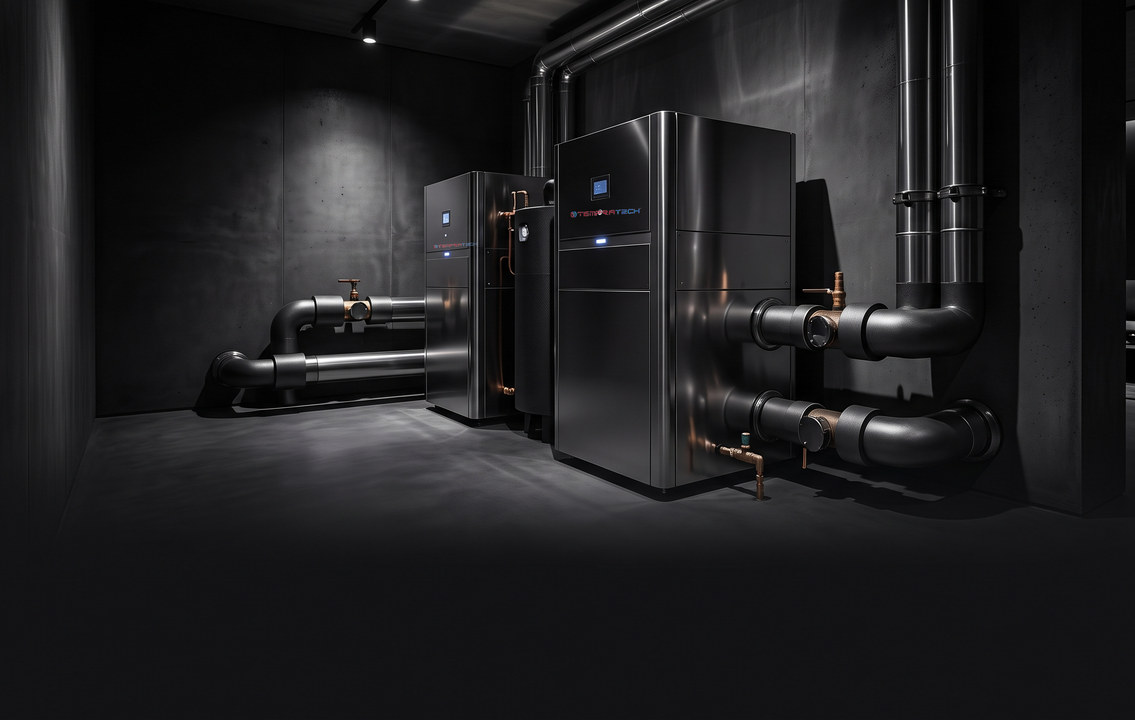
Before a Jaipur hotel chooses a heat pump, it should know when its hot water is actually drawn, what the system must deliver on a January morning, what is in the water it will heat, and how storage, pipework, installation space and service fit around the unit. A quotation that answers those questions is worth comparing. One that only quotes a room count and a brochure efficiency figure is not.
A hotel's hot-water system works hardest when several demands arrive together: guests getting ready in the morning, the kitchen preparing breakfast and the laundry starting its first cycle. In Jaipur that peak also lands on the coldest hour of the day. Selecting equipment without understanding that overlap leaves a property with high running costs, slow recovery or cold showers at the worst possible time.
A heat pump water heater moves heat from the surrounding air into the water instead of generating it from electricity, which is why it uses much less power than a direct electric heater for the same hot water. How much less depends on the whole installation: equipment, storage, pipework, controls and maintenance. These are the checks that matter before you ask anyone for a price.
Key takeaways
- Size from when hot water is used, not from the room count. Two hotels with the same number of rooms can need very different plant.
- Judge the heat pump at Jaipur's January morning conditions, not at the rating on the brochure.
- Test the water at the property. Bisalpur supply and borewell water can behave very differently in the same city.
- Storage, pipe insulation and circulation decide whether hot water reaches the far rooms, not just the heat pump.
- Compare complete operating costs and service arrangements, not purchase prices.
1. Know when your hotel needs hot water
Room count is a useful starting point, but it says nothing about how quickly guests use hot water.
A business hotel with concentrated morning departures has a short, intense peak. A leisure property may spread similar consumption across several hours. Those two hotels can need very different combinations of heating capacity and storage with exactly the same number of rooms. Our view is simple: the bed count tells you how big the building is, and the draw-off pattern tells you how big the plant should be.
Prepare a demand profile that includes:
- Occupied rooms and typical guests per room.
- Shower flow rates and the busiest bathing periods.
- Kitchen hot-water requirements and service times.
- Laundry equipment, operating schedules and temperature requirements.
- Spa facilities and any other significant uses.
For an existing property, recorded consumption and operating schedules are worth more than any assumption. For a new project, write the assumptions down so the designer can show how each one affects the selection.
Our guide to sizing hot water storage for Indian hotels explains how demand patterns set plant and tank capacity.
2. Check performance on a January morning, not on the brochure
A commercial heat pump should be selected for the conditions in which the hotel needs it most. In Jaipur, that is a winter morning.
According to India Meteorological Department normals for 1991–2020, Jaipur's January nights average a minimum of about 8 °C, and the temperature has fallen below freezing on record. The morning shower peak arrives before the air has warmed up, so the heat pump is working hardest at the coldest part of the day.
Two things change at once on that morning. An air-source heat pump produces less heat when the outdoor air is colder. And the incoming water is colder too, especially where it has spent the night in a rooftop tank, so every litre needs more heat. To see how much the incoming temperature matters, compare two illustrative cases: heating water from 15 °C to 55 °C needs twice the heat of heating it from 35 °C to 55 °C, before losses. Size the system for the summer case and it will fall short in January.
Ask every supplier the same question in writing: what heating capacity and electricity input will this system deliver at 7 °C outdoor air (a standard rating point, close to a Jaipur January morning), at your required water temperature? Then ask how long it takes to recover the stored hot water after the morning peak. A figure without those conditions attached cannot be compared with anything, which is the argument we make in what a COP figure does not tell you.
3. Test the water at the property
Jaipur does not have one kind of water. Parts of the city are supplied from the Bisalpur dam, while other properties rely partly or wholly on borewells. Groundwater quality varies widely from one area to the next, so a city name or a neighbour's experience cannot tell you whether your property needs treatment.
For reference, the Bureau of Indian Standards drinking-water specification (IS 10500) sets an acceptable limit of 200 mg/L for total hardness. Where hardness is significant, scale builds up on the heat-transfer surfaces, restricts flow and cuts output. The heat pump then runs longer to deliver the same hot water, and the efficiency you paid for goes quietly into scale.
Before selecting equipment, test the water from every source the hotel uses, borewell and municipal supply separately, against the manufacturer's requirements. Review the results with the supplier to agree treatment, component materials and service procedures.
If a softener is needed, design in its capacity, regeneration and maintenance access from the start. A softener also has to be checked; having one installed does not prove the water is being treated.
Read more about how hard water affects a heat pump water heater.
4. Design storage and distribution with the heat pump
Reliable hot water depends on delivering it as much as producing it.
Storage covers the periods when demand briefly exceeds what the heat pump can produce. The heat pump then needs enough capacity and running time to restore that stored water before the next peak. A heat pump sized without its storage is a guess.
Distribution deserves the same attention. Long pipe runs, damaged insulation and poorly balanced circulation waste heat and leave remote rooms waiting for hot water. Ask the designer to review tank capacity, pipe insulation, circulation, controls and backup together. If the hotel has separate buildings or distant guest wings, include those routes from the first drawing.
Temperature settings must support the property's hygiene and guest-safety requirements. Set them through the system design and operating plan, never by turning the thermostat down to save electricity. Our article on what temperature a hotel heat pump water heater should be set to covers storage and outlet temperatures in detail.
5. Confirm installation space, power and service access
A suitable model still needs a suitable place to stand.
Before ordering, check that the proposed position gives the airflow and clearances the manufacturer requires. Review the supporting structure, equipment access, drainage, electrical supply and noise near guest rooms. On a Jaipur rooftop, also think about summer: the same unit that works hard in January will sit in afternoon air above 40 °C in May, so it needs room to breathe and shade for anyone servicing it.
For a retrofit, work out how the new equipment will connect to existing tanks and pipework, and how the changeover will affect a working hotel.
These are easiest to solve on the drawing board. Once the plant-room area is fixed and the roof is spoken for, every option costs more. If you are an architect or MEP consultant, bring the heat pump into the conversation while the plans can still move.
Tempratech's commercial heat pump range gives model information to support this assessment. Final selection should always use current technical documentation and the project's own requirements.
6. Assess pool heating separately
A resort pool is a different heating problem from guest bathrooms.
A swimming pool heat pump is selected around the pool's size, target temperature, exposure to wind and sky, operating season and whether it is covered at night. Pool chemistry and equipment compatibility matter too. Adding pool heating to a single daily hot-water estimate will not capture any of this.
Ask for separate assessments of guest hot water and pool heating, then review how both fit the property's overall energy plan. Tempratech offers a swimming pool heat pump range alongside its commercial water-heating systems.
7. Compare complete operating costs and service support
A heat pump is bought once and paid for every month, so compare what it costs to run as well as what it costs to buy.
For an existing hotel, collect electricity or fuel bills, occupancy records and any hot-water consumption data. A running-cost estimate should state its assumptions and account for storage losses, circulation, auxiliary equipment and backup heating. Be wary of any estimate that applies a single savings percentage without asking about your hotel.
Request a clear breakdown of equipment, installation, water treatment, electrical work, commissioning and maintenance costs, and compare alternatives against the same demand and operating conditions.
Finally, find out who will commission the system, what the warranty covers and how service requests in Jaipur will be handled. Ask which operating records your maintenance team should keep, so a change in performance is caught early rather than discovered on the electricity bill.
Frequently asked questions
Can a heat pump replace an existing hotel water heater?
Often, yes, but the existing tanks, pipework, electrical supply and demand profile need assessing first. The design should also state whether any existing equipment stays as backup.
Does every hotel in Jaipur need a water softener?
No. Some properties on municipal supply may need little treatment, while others on borewell water may need a softener. Water testing at the property, measured against the equipment manufacturer's limits, should decide it.
Will a heat pump keep up on a cold Jaipur winter morning?
It will if it has been sized for that morning. Ask for the heat pump's capacity at around 7 °C outdoor air and your required water temperature, and check that the storage covers the morning peak with enough time to recover afterwards.
How much can a hotel save with a heat pump water heater?
Savings depend on the existing heating system, energy prices, demand, temperatures and the system's actual efficiency. A comparison for your property is far more reliable than a fixed percentage applied to every hotel.
Plan your Jaipur hotel's hot water with Tempratech
A well-planned installation connects guest demand, winter conditions, water quality and service access with the right equipment.
If you are developing a hotel or upgrading its water heating in Jaipur, send Tempratech your room count, occupancy pattern, water source, current heating arrangement and available installation space. Include recent energy bills and any laundry or pool requirements.
Contact Tempratech for a project-specific sizing and savings assessment.
Send us the occupancy pattern, the laundry schedule and the plant-room envelope. We’ll model the peak and come back with a plant and storage selection.
Ask for a load model